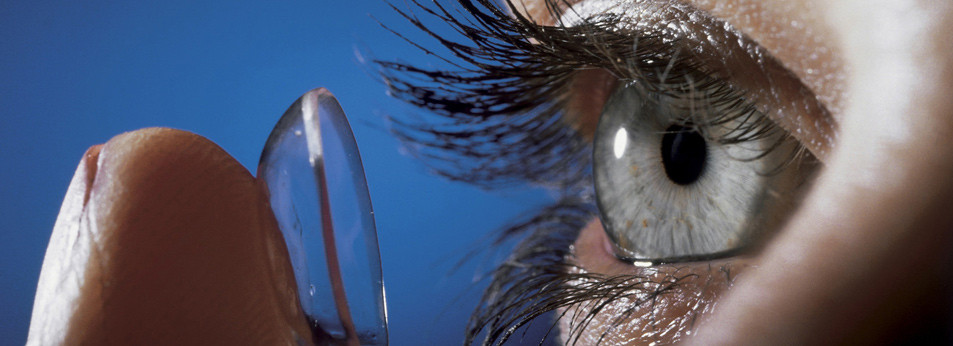
Dry Eyes and Contact Lenses?
If you have dry eyes and suffer from redness, irritation, burning, and pain but want to wear contact lenses, no need to worry!
We can help you out. With new treatments in dry eye and new lenses available, you may be able to wear contact lenses again or for the first time. We can determine how dry yours eyes are and place you with the right lens for you.
There are many contact lens options for dry eyes, and it is recommended that you discuss the options with us to see if it would be a good fit.
Dry eye happens when you are unable to produce enough tears to keep your eyes lubricated. You can also have dry eye if your tears are not "quality" tears, meaning they lack certain oils that make them last longer. Without the proper components, tears dry faster, leaving the eyes irritated.
There are a variety of issues that can cause dry eye. Sometimes it is treatable, other times it is not, but you can manage it. Aging is one of the most common reasons people develop dry eye, as tear production decreases as we get older. But anyone can suffer from dry eye, regardless of age. You may develop dry eye in windy or smoky environments. If you have seasonal allergies, you may also experience dry eye as your allergic reactions flare up.
Staring at a computer or phone screen for too long without blinking also causes many individuals to develop dry eye. Frequent breaks from the screen can help to alleviate the problem. Your breaks don’t have to be very long either. You can follow the 20-20-20 rule. For every 20 minutes of screen time, take 20 seconds to focus on something else that is 20 feet away.
Certain medications can make your eyes drier. Your doctor will typically tell you this when you start on a new prescription or over-the-counter medication. If not, there will be information about the side effects of your medication when you get the prescription filled. If you have any questions about side effects, ask your pharmacist or doctor.
Also, autoimmune diseases such as lupus or diabetes can cause you to develop dry eye. If you have an autoimmune disease, your doctor may keep track of your eyes as part of your overall treatment to help keep you comfortable.
WEARING CONTACT LENSES WHILE YOU SLEEP:
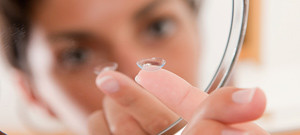
You're always warned not to wear your contact lenses when you sleep. This is because it can cause severe dry eyes, as well as make you prone to eye infections. However, there are contact lenses for people with dry eyes that you actually only wear when you sleep.
These lenses, called Ortho-K lenses (short for orthokeratology), are for overnight wear. They're specially designed to reshape the cornea overnight so vision correction is unneeded during the day. This makes it more comfortable for dry eye sufferers because they will no longer need to wear contacts while awake. It’s kind of like a temporary Lasik surgery.
There are other conventional contact lenses that are designed for extended use and for sleep. While they do not help with dry eye symptoms, they are convenient in that you don’t have to remove and clean them each night. These contact lenses are for continuous wear over several weeks.
DAILY DISPOSABLE CONTACT LENSES:
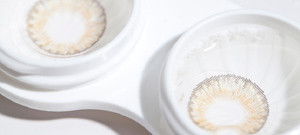
Many companies now make daily disposable contact lenses. These lenses are discarded at the end of the day, after each use. This can provide greater relief for dry eye symptoms, as well as help keep infections at bay. Since you are putting in a fresh set of lenses each morning, there is less chance of contamination.
They also allow you to take an overnight break from wearing lenses. This allows your eyes to readjust naturally while you sleep so that they can feel better after a long day of drying out.
HOW TO MANAGE DRY EYES WITH CONTACT LENSES:
Wearing contact lenses for a long period of time can cause dry eyes as well. That’s one reason it is so important to remove your contact lenses as instructed. Wearing them past their recommended time frame could also lead to an infection.
Having dry eyes does not exclude you from wearing contact lenses, as there are still options available to you. If your contact lenses become uncomfortable, speak to your eye doctor. They can offer solutions that could ease the discomfort.
If your dry eyes become worse due to seasonal allergies or too much time in front of the computer, take your contact lenses out. Make sure to rest your eyes at regular intervals. Wearing your glasses for a day or two, and then going back to your contact lenses can help to ease the symptoms of dry eyes.
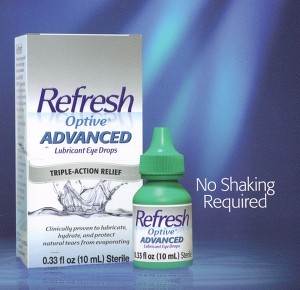
You can also manage your dry eyes by using artificial tears eye drops. You should use your eye drops when you first start using contact lenses and continue using them afterwards on a daily basis. You can put them in your eyes, over your contact lenses, to keep them moist and lubricated.
AVOIDING DRY EYES:
Dry eye is somewhat unavoidable, especially as we get older. But you can still curb the effects by keeping your eyes as moist as possible. If you have dry eyes with contacts, you can easily avoid some of the pitfalls we’ve discussed. See your doctor regularly and discuss managing solutions together.
Dry eye, while uncomfortable, doesn’t have to be a burden. Taking some precautions should help make living with dry eye much easier.
If you don’t wear contact lenses and still notice the symptoms of dry eyes, give us a call and we can do tests to determine the level and severity of dryness. Once determined you have dry eyes, we can start a treatment plan to reduce the discomfort and get those eyes feeling better.
Click for more information about Dry Eye Disease (DED) / Dry Eye Syndrome (DES)