A Family Oriented Practice Serving the Fox Valley

427 Hamilton Street Geneva, IL 60134

630 - 232 - 7112

Vision Health

The Health of Your Vision is Important

Why Vision Screenings Are No Substitute for a Complete Eye Exam

Vision screenings are limited eye tests that help identify people who are at risk for vision problems. These are the brief vision tests performed by the school nurse, a pediatrician, other health care providers or volunteers.

The eye test that you take when you get your driver's license renewed is an example of a vision screening.

Depending on who is performing the test and where the test is given, vision screenings may include tests for blur, muscle coordination and/or common eye diseases.

Keep in mind that a vision screening can indicate that you need to get your eyes checked, but it does not serve as a substitute for a comprehensive eye exam.

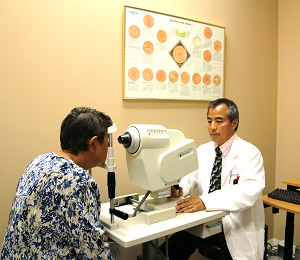
A comprehensive eye examination is performed by an eye doctor and includes careful testing of all aspects of your vision. Based on the results of your exam, we will then recommend a treatment plan for your individual needs.

Remember, only an Optometrist or Ophthalmologist can provide a comprehensive eye exam -- family physicians and pediatricians are not fully trained to do this, and studies have shown that they can miss important vision problems that require treatment.

Make Appointment

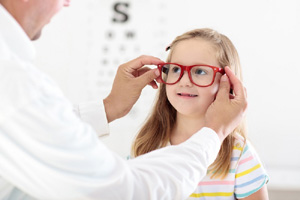
Eye exams for you and your child

Think you don't need to see an eye doctor because your vision is fine? Think again.

Eye exams aren't only for people with poor vision. They're an important way of detecting eye problems before you have symptoms. Eye doctors can also catch other health problems like diabetes, high blood pressure, macular degeneration, cataracts, glaucoma and many more systemic and eye diseases early.

Routine eye exams are important -- regardless of your age or your physical health. Eye doctors often are the first health care professionals to detect chronic systemic diseases such as high blood pressure and diabetes.

As a parent, you may wonder whether your preschooler has a vision problem or when you should schedule your child's first eye exam.

Eye exams for children are extremely important, because 5 to 10 percent of preschoolers and 25 percent of school-aged children have vision problems. Early identification of a child's vision problem can be crucial because children often are more responsive to treatment when problems are diagnosed early.

Remember that appropriate vision testing at an early age is vital to insure your child has the visual skills he or she needs to perform well in school.

A child who is unable to see print or view a blackboard can become easily frustrated, leading to poor academic performance. Some vision problems, such as lazy eye, are best treated if they are detected and corrected as early as possible while the child's vision system is still developing.

Make Appointment


How Often Should You Go to the Eye Doctor?

Everyone needs eye exams. Different medical organizations have different schedules. The American Optometric Association suggests:

Children
Children need their vision checked at birth, 6 months, 3 years, and before entering grade school.
Adults
To maintain a lifetime of healthy vision, the AOA recommends a comprehensive eye exam every two years for adults ages 18 to 60, and annual exams for seniors age 61 and older.

"At risk" adults should have more frequent exams.
Risk factors for adults include:

  • A family history of eye disease (glaucoma, macular degeneration, etc.)
  • Diabetes or high blood pressure
  • A visually demanding occupation or one that may pose hazards to the eyes.
  • Taking prescription or non-prescription drugs that may have visual or eye-related side effects
  • Previous eye injuries or eye surgery

Also, anyone who wears contact lenses should have annual eye exams, according to the AOA.

If you have any doubt how often you (or your children or parents) should have your eyes examined, ask your eye care professional for guidance.

When else should you see the eye doctor? If you have any sudden symptoms -- such as sudden vision change, eye pain, or severe irritation -- see an eye doctor right away.

Make Appointment


Eye Conditions

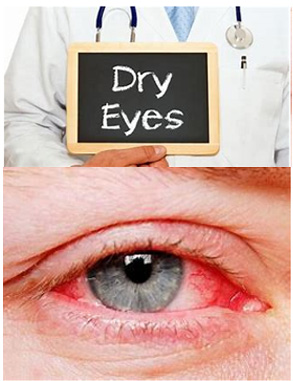
Dry Eye Disease (DED) / Dry Eye Syndrome (DES):

Overview

Dry eye disease is a common condition that occurs when your tears aren't able to provide adequate lubrication for your eyes. Tears can be inadequate and unstable for many reasons. For example, dry eyes may occur if you don't produce enough tears or if you produce poor-quality tears. This tear instability leads to inflammation and damage of the eye's surface.

Dry eyes feel uncomfortable. If you have dry eyes, your eyes may sting or burn. You may experience dry eyes in certain situations, such as on an airplane, in an air-conditioned room, while riding a bike or after looking at a computer screen for a few hours.

Treatments for dry eyes may make you more comfortable. These treatments can include lifestyle changes and eye drops. You'll likely need to take these measures indefinitely to control the symptoms of dry eyes.

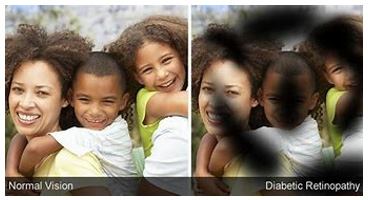
If you have diabetes, regular visits to your eye doctor for regular exams are important to avoid eye problems. High blood sugar (glucose) increases the risk of eye problems from diabetes. In fact, diabetes is the leading cause of blindness in adults age 20 to 74.

Signs and symptoms, which usually affect both eyes, may include:
  • A stinging, burning or scratchy sensation in your eyes
  • A sensation of having something in your eyes
  • Stringy mucus in or around your eyes
  • Sensitivity to light
  • Eye redness
  • Difficulty wearing contact lenses
  • Difficulty with nighttime driving
  • Blurred vision or eye fatigue
When to see a doctor

If you experience any of the above symptoms or if they seem to be getting worse over time, give us a call and we can evaluate the level and severity of dryness. We can then determine the appropriate treatment to reduce the discomfort and get those eyes feeling better. If you've had prolonged signs and symptoms of dry eyes, including red, irritated, tired or painful eyes.

CEQUA works rapidly to help chronic dry eye

CEQUA™ (cyclosporine ophthalmic solution) 0.09% is a topical solution that helps to increase the production of natural tears in your eye. Dry eye disease may affect the ability of your eyes to produce its own tears.

CEQUA is proven to help produce significantly more tears in just 3 months as well as improve key signs of dry eye in as little as 1 month.

CEQUA™ for Chronic Dry Eye | Patient Information

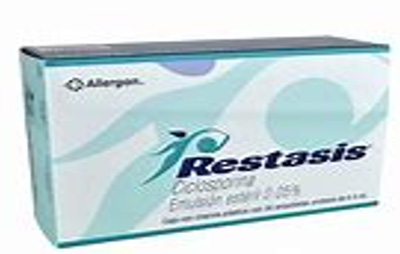
RESTASIS®

RESTASIS® was developed specifically to treat a type of Chronic Dry Eye with decreased tear production due to inflammation.

It can help increase the eyes’ natural tear production with time and consistent use. In a study, patients using RESTASIS® saw an increase in tear production at 6 months. Individual results may vary.

Prescription Eye Drops for Chronic Dry Eye | Restasis®

DRY EYE RELIEF

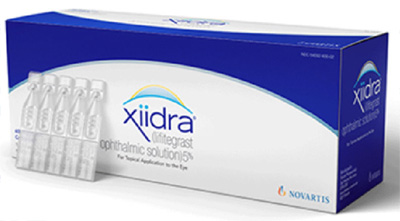
Xiidra is a prescription eye drop approved by the FDA to Treat the Signs and Symptoms of Dry Eye Disease.

Xiidra was specifically designed to target a source of inflammation that can cause dry eye disease.

Dry Eye Treatment I Xiidra® (lifitegrast ophthalmic solution)

Make Appointment


Diabetes

If you have diabetes, regular visits to your eye doctor for regular exams are important to avoid eye problems. High blood sugar (glucose) increases the risk of eye problems from diabetes. In fact, diabetes is the leading cause of blindness in adults age 20 to 74.

If you have eye problems and diabetes, don't buy a new pair of glasses as soon as you notice you have blurred vision. It could just be a temporary eye problem that develops rapidly with diabetes and is caused by high blood sugar levels.

High blood sugar in diabetes causes the lens of the eye to swell, which changes your ability to see. To correct this kind of eye problem, you need to get your blood sugar back into the target range. It may take as long as three months after your blood sugar is well controlled for your vision to fully get back to normal eye. The increase in pressure can damage nerves and the blood vessels in the eye, causing changes in vision.

Cataracts

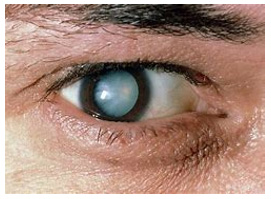
A cataract is a clouding or fogging of the normally clear lens of the eye. The lens is what allows us to see and focus on an image just like a camera. Although anyone can get cataracts, people with diabetes get these eye problems at an earlier age than most and the condition progresses more rapidly than in people without diabetes.

If you have a cataract, there is a cloudy area in the lens of your eye that results in the inability to focus light, and your vision is impaired. Symptoms of this eye problem in diabetes include blurred or glared vision.

During cataract surgery, the cloudy lens is removed or cleaned out and replaced by a clear man-made lens.

Make Appointment


Glaucoma

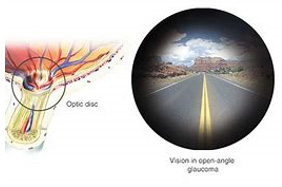
When fluid inside the eye does not drain properly, it can lead to excess pressure inside the eye. The increase in pressure can damage nerves and the blood vessels in the eye, causing changes in vision.

Treatment of open-angle glaucoma -- the most common form of glaucoma -- requires lowering the eye's pressure by increasing the drainage of aqueous humor or decreasing the production of the fluid. Medications can accomplish both of these goals.

With open-angle glaucoma, there may be no symptoms of this eye problem at all until the disease is very advanced and there is significant vision loss. In the less common form of this eye problem, symptoms can include headaches, eye aches or pain, blurred vision, watering eyes, halos around lights, and loss of vision.

Glaucoma is a disease that you need to watch out for. It is called the "silent thief of sight" and can occur without any symptoms at all. This disease is an optic nerve disease and can affect a wide array of people. The optic nerve is responsible for carrying images to our brain, and Glaucoma leads to blindness. With early detection, the effects and damage of Glaucoma can be prevented.

Glaucoma Risk Factors:
  • Diabetes
  • 45 years of age or older
  • Myopia
  • Hyperopia
  • Low / high blood pressure
  • Family history
  • Eye injury
  • Ocular pressure changes

Floaters / Spots

Floaters are another common eye problem that people have and this can lead to problems with the eye. Floaters are considered specks, strings, or flashes that occur in your vision. In general, floaters are not dangerous, unless they appear to be cloudy or dark in nature. This may indicate a tear in the retina which can lead to blindness.

Floater Cautions:
  • Shower of floaters
  • Cobweb floaters
  • Dark curtain like appearance
  • Flashes of light
  • Specks
  • Threads


Macular Degeneration

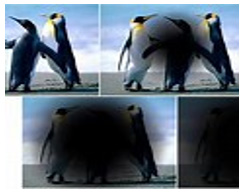
Macular degeneration is the leading cause of severe vision loss in people over age 60. It occurs when the small central portion of the retina, known as the macula, deteriorates. The retina is the light-sensing nerve tissue at the back of the eye. Because the disease develops as a person ages, it is often referred to as age-related macular degeneration (AMD). Although macular degeneration is almost never a totally blinding condition, it can be a source of significant visual disability.

Macular degeneration may be hereditary, meaning it can be passed on from parents to children. If someone in your family has or had the condition you may be at higher risk for developing macular degeneration.

Smoking, high blood pressure, high cholesterol, obesity, and being light skinned, female, and having a light eye color are also risk factors for macular degeneration.

A diet rich in green, leafy vegetables and fish may reduce the risk of AMD getting worse. It is also recommended taking fish oil and specific supplements aimed for reducing the effects of AMD.

Make Appointment


Computers and Eye Strain

Staring at computer monitors, smart phones, and video game screens may result in strained, dry, and tired eyes. Luckily, using these devices does not seem to have permanent effects. To prevent eye strain, adjust your computer monitor so that it's 2 feet in front of you. Use desk lighting to reduce glare. Take a break every hour. Spend a few minutes looking at something much farther away than the monitor.

Using computers daily can also cause dry eyes, so be sure to use artificial tears on a regular basis throughout the day.


Get In Touch

427 Hamilton Street Geneva, IL 60134

Genevaopt@sbcglobal.net

630-232-7112

Follow Us

© Geneva Optometrics. All Rights Reserved.